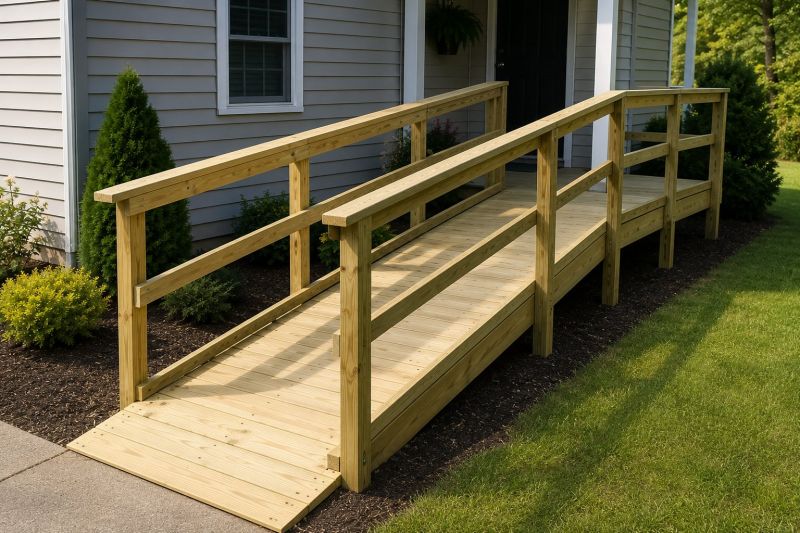
Handicap Ramp Replacement in Wilmington, NC
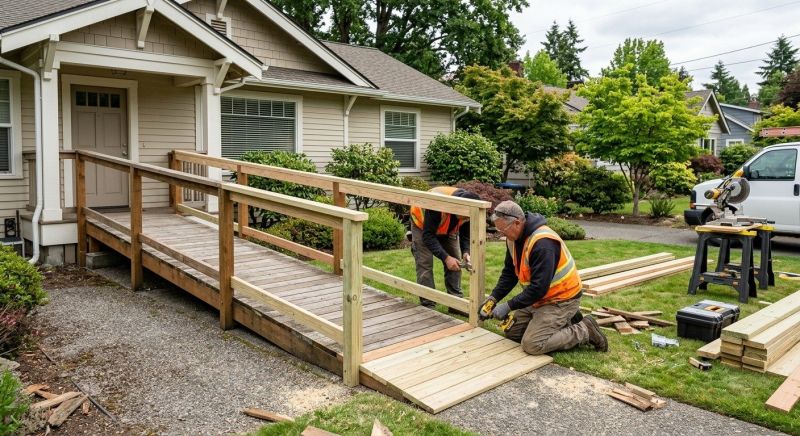
Handicap ramp replacement services involve removing and installing new ramps designed to improve accessibility for individuals with mobility challenges. These projects typically cover a range of property types, including residential homes, apartment complexes, and commercial buildings, ensuring safe and convenient entry and exit points. Homeowners considering this service should understand the importance of selecting a ramp that meets safety standards, fits the property’s layout, and accommodates specific mobility needs. Factors such as the existing ramp’s condition, the materials used, and any necessary permits or building codes are common considerations before requesting replacement services.
Property owners often seek handicap ramp replacement to enhance safety, comply with accessibility regulations, or update aging structures. It’s helpful to evaluate the current ramp’s stability, slope, and overall condition to determine if replacement is necessary. Additionally, understanding the available options for materials, design preferences, and installation requirements can aid in making informed decisions. Contacting a professional for assessment and guidance ensures that the new ramp will serve its purpose effectively while aligning with the property’s specific accessibility goals.
Many property owners in Wilmington, NC look into Handicap Ramp Replacement for repairs, replacements, upgrades, and appearance-related improvements.
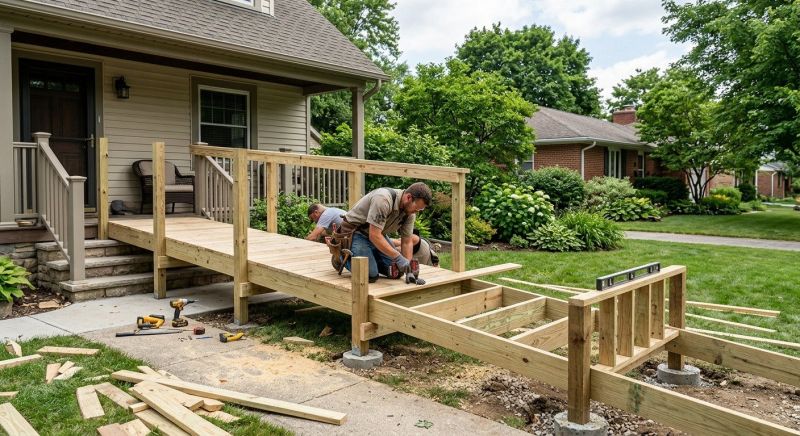
Accessibility Improvements
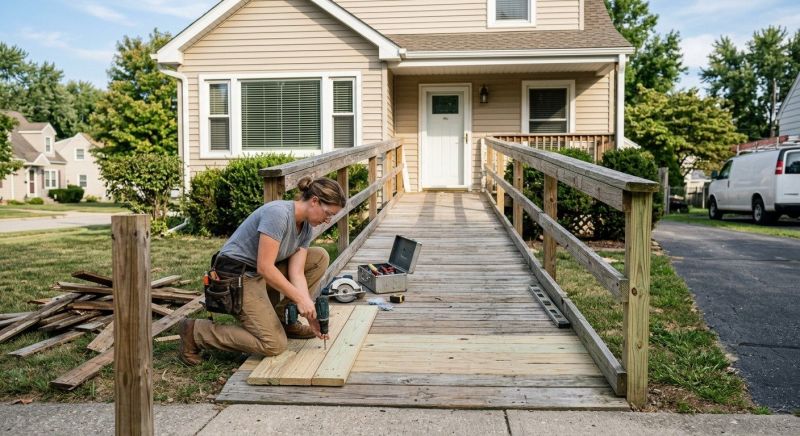
Replacing worn or damaged ramps enhances safety and ease of access for all visitors.
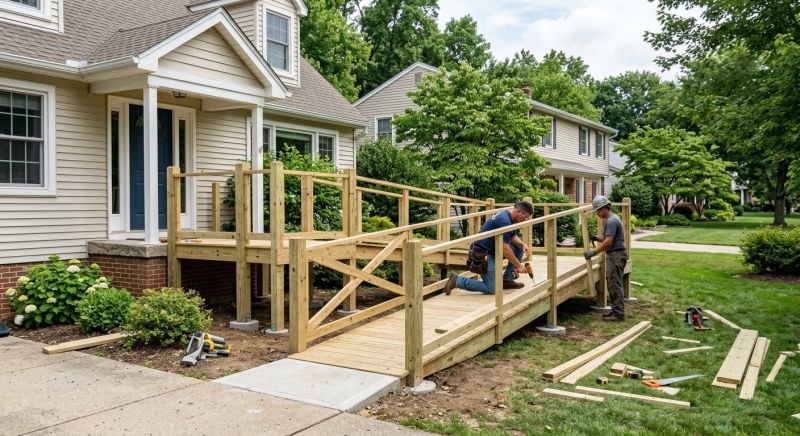
Customized Ramp Solutions
Services include designing and installing ramps that meet specific mobility needs and property layouts.
Property Safety And Compliance
Upgraded ramps help ensure compliance with accessibility standards and reduce fall hazards around wilmington homes.
Handicap Ramp Replacement in Wilmington, NC
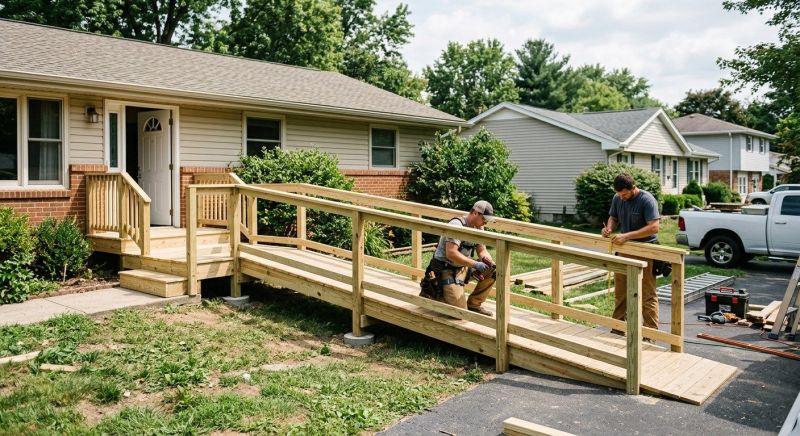
Handicap ramp replacement services involve removing and installing new ramps designed to improve accessibility for individuals with mobility challenges. These projects typically cover a range of property types, including residential homes, apartment complexes, and commercial buildings, ensuring safe and convenient entry and exit points. Homeowners considering this service should understand the importance of selecting a ramp that meets safety standards, fits the property’s layout, and accommodates specific mobility needs. Factors such as the existing ramp’s condition, the materials used, and any necessary permits or building codes are common considerations before requesting replacement services.
Property owners often seek handicap ramp replacement to enhance safety, comply with accessibility regulations, or update aging structures. It’s helpful to evaluate the current ramp’s stability, slope, and overall condition to determine if replacement is necessary. Additionally, understanding the available options for materials, design preferences, and installation requirements can aid in making informed decisions. Contacting a professional for assessment and guidance ensures that the new ramp will serve its purpose effectively while aligning with the property’s specific accessibility goals.
Many property owners in Wilmington, NC look into Handicap Ramp Replacement for repairs, replacements, upgrades, and appearance-related improvements.
Common Handicap Ramp Replacement Jobs
Handicap Ramp Replacement - upgrading existing ramps to meet current accessibility standards.
Residential Ramp Replacement - replacing worn or outdated ramps for improved safety and function.
Commercial Ramp Replacement - updating business entrances to ensure ADA compliance and accessibility.
Custom Ramp Replacement - installing tailored ramps that fit specific property layouts and needs.
Temporary Ramp Replacement - providing interim solutions during construction or repairs.
Safety-Driven Ramp Replacement - replacing damaged or unstable ramps to prevent accidents and ensure secure access.
Handicap Ramp Replacement Questions
What types of handicap ramp replacements are available? Options include replacing existing ramps with new materials, upgrading to ADA-compliant designs, or installing modular ramps for accessibility needs.
When should a handicap ramp be replaced? Replacement is recommended when the current ramp shows signs of deterioration, no longer meets accessibility standards, or no longer suits the property’s needs.
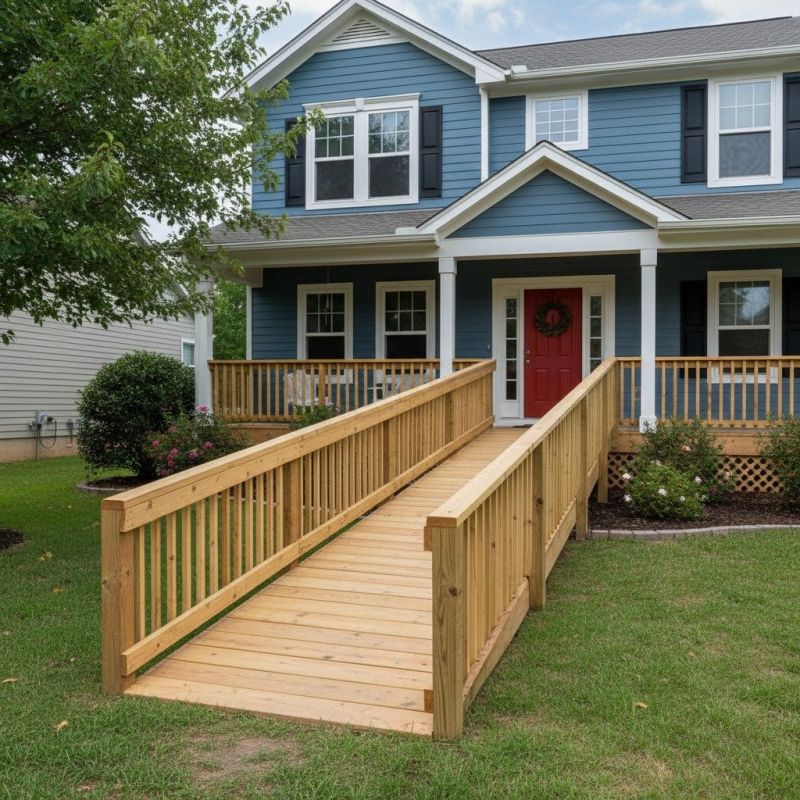
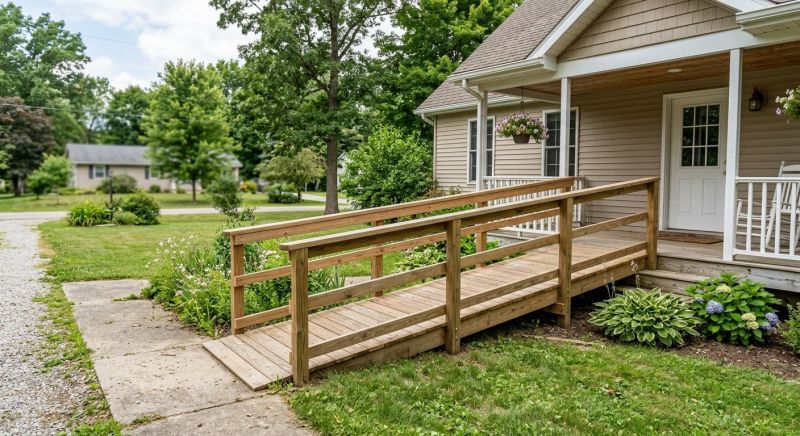
What materials are commonly used for ramp replacements? Common materials include aluminum, wood, and composite decking, chosen for durability, safety, and ease of maintenance.
What should property owners consider before replacing a handicap ramp? Consider the ramp’s current condition, accessibility requirements, property layout, and local building codes for a suitable replacement plan.
Request Handicap Ramp Replacement in Wilmington, NC
Use the quote form on this page to share the basics of your project and request more information for the type of work you need.