Get Mobility Ramp Installation
Mobility ramp installation services help property owners improve accessibility by adding ramps to homes or businesses, making it easier for individuals with mobility challenges to enter and exit buildings.
If you are considering mobility ramp installation for your property, you are in the right place to explore your options. Property owners in the area often look into ramps to improve accessibility, whether for everyday convenience or to comply with evolving accessibility needs. Finding the right solution involves planning and understanding the different types of ramps available, as well as evaluating local service providers who specialize in this work. Continuing to read can help clarify what to consider when comparing local contractors and their offerings.
Connecting with experienced local contractors can make the process smoother and ensure the project aligns with your specific requirements. These professionals can assist in assessing your property, recommending appropriate ramp solutions, and handling the installation efficiently. By exploring your options and gathering information about local providers, you can make informed decisions that enhance accessibility and functionality for your property.
- Residential property owners - may need mobility ramp installation to improve accessibility for family members with mobility challenges.
- Senior living facilities - require ramps to ensure safe and easy access for residents with limited mobility.
- Commercial businesses - might seek ramps to comply with accessibility standards and accommodate customers or employees with disabilities.
- Healthcare providers - may need ramps installed for patient access to clinics, hospitals, or care centers.
- Property managers - often require installation services to upgrade existing facilities and meet accessibility requirements.
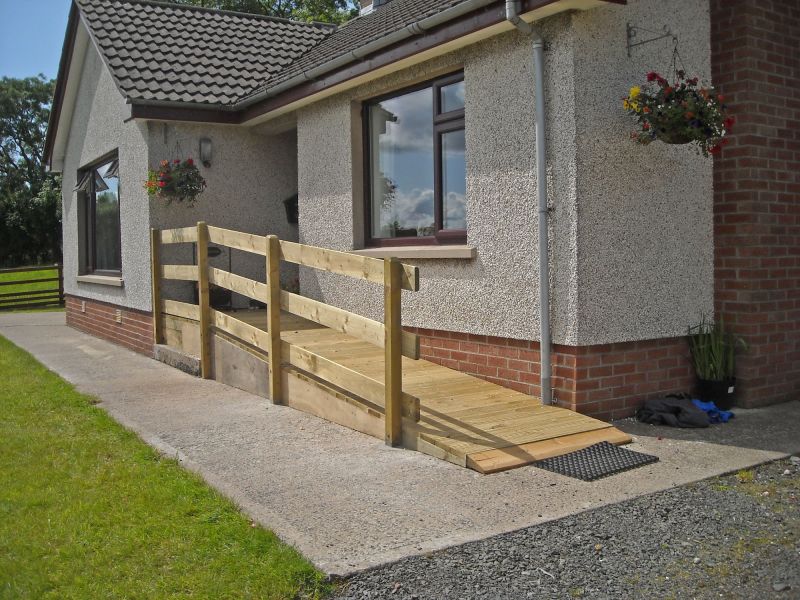
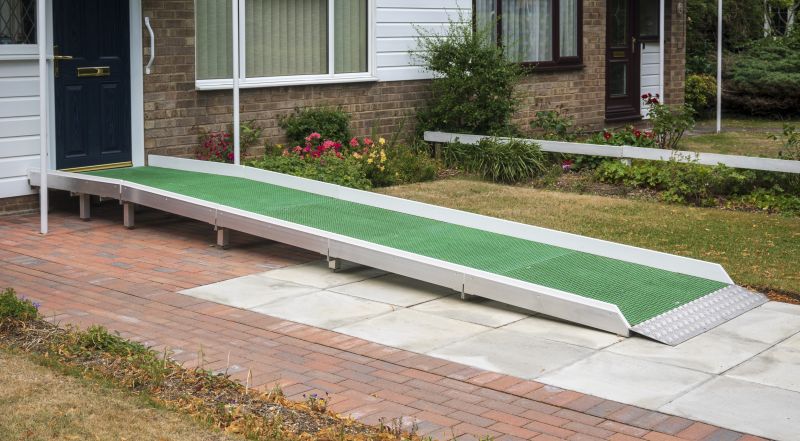
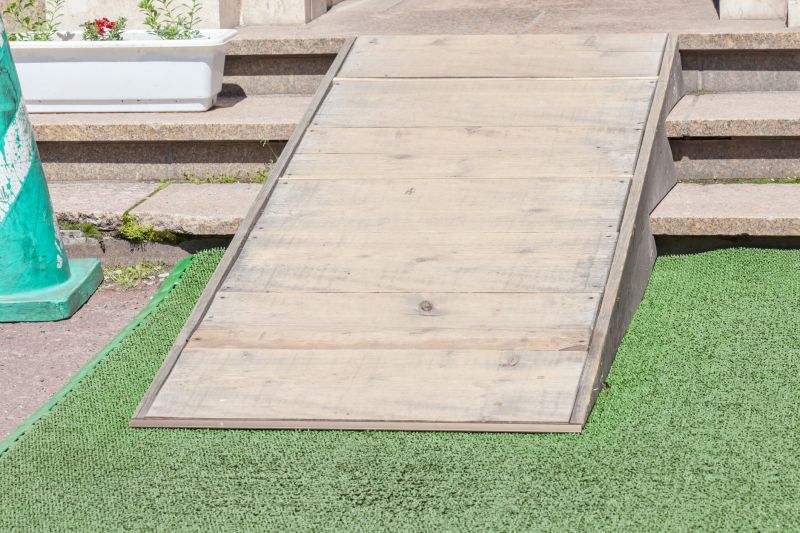
Mobility ramp installation services involve the design, customization, and secure setup of ramps that provide easier access to homes and buildings. These ramps are typically made from durable materials such as aluminum, wood, or composite, and are tailored to fit specific entryways. The process includes assessing the property’s layout, preparing the site, and installing the ramp with attention to stability and safety. This service helps ensure that individuals with mobility challenges can move in and out of their homes more comfortably and independently.
Many common problems are addressed through mobility ramp installation. These include steps or uneven surfaces that create barriers for wheelchairs, walkers, or mobility scooters. Without a proper ramp, individuals may be forced to navigate hazardous stairs or seek alternative entry points, which can be inconvenient or unsafe. Installing a ramp offers a smooth, level surface that reduces the risk of falls and makes daily activities easier for those with limited mobility, injury recovery needs, or aging-related mobility issues.
Properties that typically benefit from mobility ramp installation include single-family homes, apartment complexes, assisted living facilities, and commercial buildings. Homeowners who have experienced a recent injury or health change often seek ramps to maintain independence. Similarly, property managers and business owners may install ramps to comply with accessibility standards and accommodate visitors or clients with mobility devices. The versatility of these ramps makes them suitable for a wide range of properties where accessible entry is a priority.
Local contractors who specialize in mobility ramp installation can provide solutions tailored to the specific needs of each property. They assess the site, recommend appropriate ramp types, and handle the installation process efficiently. Whether for a residential home or a commercial space, these professionals can help improve accessibility and safety. Contacting experienced service providers ensures that the installation is done correctly and meets the practical requirements of the property and its users.
The overview below groups typical Mobility Ramp Installation projects into broad ranges so you can see how smaller, mid-sized, and larger jobs often compare in your area.
In many markets, a large share of routine jobs stays in the lower and middle ranges, while only a smaller percentage of projects moves into the highest bands when the work is more complex or site conditions are harder than average.
Smaller Repairs - Minor ramp adjustments or repairs typically cost between $250 and $600. Many routine jobs fall within this range, covering simple fixes or minor modifications by local contractors.
Standard Ramp Installation - Installing a new mobility ramp usually ranges from $1,000 to $3,000. Most projects of this size are straightforward and fall into the middle of this range, depending on the materials and site conditions.
Full Replacement - Replacing an existing ramp with a new, custom-built option can cost between $3,500 and $7,000. Larger or more complex projects, such as those requiring structural modifications, can reach higher costs.
Complex or Custom Projects - Highly customized or large-scale installations, including multi-level ramps or extensive site work, can exceed $10,000. These projects are less common and typically involve additional planning and materials.
Actual totals will depend on details like access to the work area, the scope of the project, and the materials selected, so use these as general starting points rather than exact figures.
Wheelchair Ramp Construction - local contractors skilled in building accessible ramps for various mobility needs can apply similar planning and construction techniques used in mobility ramp installation.
Accessibility Doorway Modifications - professionals who modify doorways for wheelchair access utilize planning and carpentry skills comparable to installing mobility ramps.
Home Elevation and Lift Installation - service providers experienced in installing residential lifts and elevators share expertise in space planning and mechanical setup relevant to ramp projects.
Driveway and Pathway Paving - paving specialists who create smooth, durable surfaces for driveways and walkways have skills applicable to building accessible ramps and pathways.
Handrail and Support Bar Installation - contractors experienced in installing safety handrails and support bars use similar tools and planning methods as those needed for mobility ramp safety features.
Interior Accessibility Improvements - local pros who modify interior spaces for better accessibility, such as threshold removal and hallway widening, share planning and installation skills with ramp setup projects.
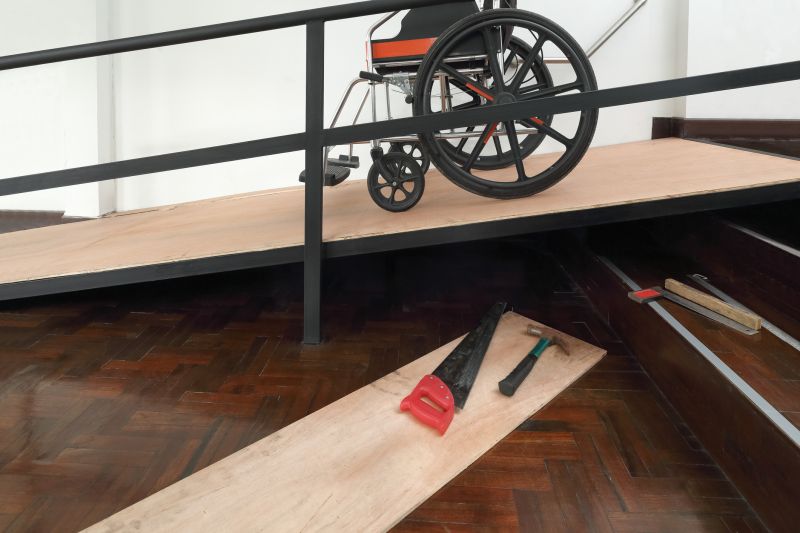
When comparing service providers for mobility ramp installation, it’s important to consider their experience with similar projects. Homeowners should look for local contractors who have a proven track record of successfully completing ramp installations in environments comparable to their own. An experienced pro will be familiar with the specific challenges that can arise during installation and will be better equipped to deliver a solution that meets functional needs and safety considerations.
Clear written expectations are essential to ensure everyone is on the same page before work begins. Homeowners should seek out providers who offer detailed project descriptions, including scope, materials, and any necessary preparations. Having this information in writing helps prevent misunderstandings and provides a basis for evaluating whether the service provider’s approach aligns with the homeowner’s needs.
Reputable references and good communication are key factors when selecting a local contractor. Homeowners are encouraged to ask potential service providers for references from previous clients who had similar projects. This can provide insights into the quality of work and reliability. Additionally, good communication-such as prompt responses to inquiries and clarity in explanations-can make the process smoother and more transparent. It’s important to remember that this site connects homeowners to local pros who can handle the work, rather than performing the installation itself, so taking the time to compare these aspects can lead to a more satisfactory experience.
Property owners use Mobility Ramp Installation services for practical projects around their homes and businesses. This guide focuses on everyday jobs and straightforward project options.
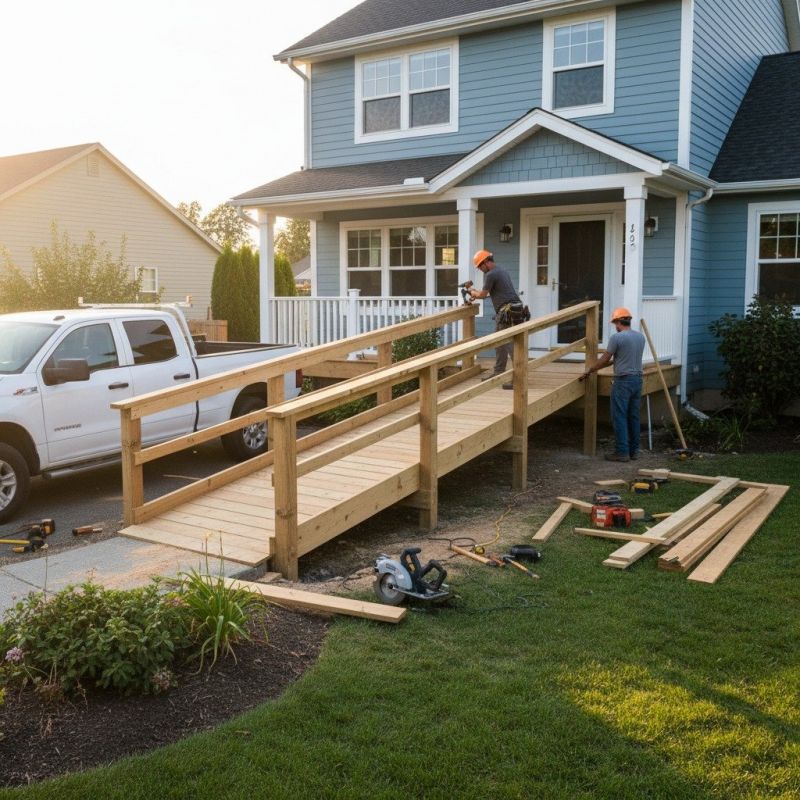
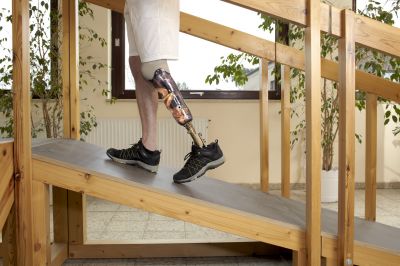
Mobility ramp installation is a common project for property owners seeking to improve accessibility around their homes or businesses. Whether installing a ramp to help elderly family members, accommodate a wheelchair user, or make entrances more accessible for everyone, local contractors often handle these straightforward modifications. These projects typically involve assessing the property’s layout, selecting appropriate ramp materials, and ensuring the installation meets practical needs for daily use.
Property owners in the area might look for mobility ramp services when making modifications to entrances that currently pose challenges, such as steps or uneven surfaces. Simple upgrades like adding a ramp can enhance safety and independence, especially for those with mobility challenges. Local service providers are equipped to handle these projects efficiently, providing solutions that support easier access to residential and commercial properties.
What types of mobility ramps do local contractors install? Local service providers typically install a variety of ramps, including portable, modular, and custom-built options to suit different accessibility needs and property types.
Can local pros install mobility ramps on different surfaces? Yes, many contractors are experienced in installing ramps on various surfaces such as concrete, wood, asphalt, and uneven terrain to ensure stability and safety.
Are there different materials used for mobility ramps? Common materials include aluminum, steel, and composite materials, which local contractors select based on durability, weight, and suitability for the installation environment.
What factors influence the type of mobility ramp a contractor recommends? Factors like the user's mobility requirements, property layout, and preferred installation location help local service providers determine the most appropriate ramp type and design.
How do local contractors ensure the proper installation of mobility ramps? They follow best practices for secure anchoring, proper slope, and stability to ensure the ramp is safe and functional for everyday use.
Home Accessibility Improvements - Installing a mobility ramp can make entry and exit easier for individuals with mobility challenges. Local contractors can help customize solutions for different property layouts.
Event and Gathering Accessibility - Ramps can be added temporarily or permanently to ensure guests with mobility needs can access outdoor events or gatherings comfortably.
Renovation and Expansion Projects - Incorporating ramps during home renovations or additions can improve overall accessibility and future-proof the property.
Commercial Property Accessibility - Businesses can enhance access to storefronts or service areas by working with local service providers to install compliant ramps.
If you are thinking about Mobility Ramp Installation for a property, this guide is meant to help you understand the work, the typical project types, and how different options might fit your plans.
When you are ready, you can use the quote form on this page to share a few details about your project. From there, local pros can review the basics and respond with options that match what you have in mind.